Documentation runs late
Notes arrive after service delivery, slowing billing and increasing write-offs and audit exposure.
IDD · Behavioral Health · ABA Operations
HBS helps programs replace day-to-day heroics with the structure, accountability, and operational reliability their teams need to do good work consistently.

What we usually walk into
Most agencies have committed staff working inside structures that quietly set them up to fail. When the structure changes, the performance follows.
Notes arrive after service delivery, slowing billing and increasing write-offs and audit exposure.
Unmanaged variation between staff, shifts, and sites creates quality and compliance risk.
Leadership decisions disappear when ownership, deadlines, and follow-through are unclear.
When operational knowledge lives in individual employees rather than systems, departures take institutional knowledge with them.
Systems are assembled reactively for surveys rather than maintained as normal operating practice.
Inconsistent leadership responses can cause staff to stay quiet until problems become significantly larger.
What HBS strengthens
HBS leads with organizational operations, then strengthens the connected systems that help staff, leaders, and programs work reliably.
Organizational operations, workflows, role clarity, implementation, and the systems that support reliable everyday practice.
Stronger documentation routines, EVV practices, and operational processes that support timely, dependable revenue cycles.
Practical development for staff and leaders responsible for expectations, communication, accountability, and follow-through.
Quality systems and meaningful measures that help leaders see whether expectations are becoming consistent practice.
Experienced interim program leadership during a transition, vacancy or launch, plus ongoing fractional operations support for agencies not ready for a full-time director.
Non-clinical consultation and coaching that helps families and support systems approach behavior, communication, and change with greater consistency.
Every engagement is scoped to the organization's needs, not built from a template.
Scope note: Family Support and Behavioral Consultation is non-clinical consultation and coaching. It does not constitute diagnosis, treatment, clinical ABA therapy, legal advice, or emergency services.
Who HBS serves
For organizations where consistency, safety, documentation, and trust directly affect the people being served.
Program structure, staff systems, documentation and operational reliability.
Operational systems that support staff, quality and consistent service delivery.
Infrastructure, leadership support and implementation accountability.
Practical support when complexity outgrows the systems underneath it.


Flagship HBS engagement
A structured operational assessment of how your organization actually works, not simply a compliance checklist.
Programs can have policies, procedures, and talented employees and still struggle when the systems connecting those pieces are unreliable. HBS identifies where reliability is breaking down and develops clear priorities for improvement.
Guided by the Operational Reliability Framework™, the ORA establishes a practical baseline before recommendations: where systems are working, where reliability is breaking down, and where leadership attention should go first. During ongoing work, relevant areas can be revisited so progress and remaining gaps stay visible.
A clearer view of operational friction, vulnerabilities, priorities, and practical next steps.

The HBS Approach
HBS uses a coherent set of frameworks to understand operational problems, strengthen implementation, and help improvements hold up in real-world environments.
The Operational Reliability Audit shows how things actually work today.
Organization, program, or site, tailored to what needs attention.
An executive sponsor and a day-to-day point person keep decisions and follow-through clear.
Purpose is shared openly, and frontline experience is respected.
Practical measures relevant to the engagement are reviewed over time.
Systems, expectations, and knowledge are transferred so they keep working.
A practical framework for guiding change, relationships, correction, and sustainable growth.
Understands how the operating system is functioning: the HBS lens for seeing whether people, processes, leadership, communication, documentation, accountability, compliance, and follow-through work together in practice.
Trust is built through observable consistency, presence, communication, expectations, and follow-through, not simply stated values. HBS communicates the purpose of each engagement openly and works alongside staff, examining systems and conditions rather than treating frontline employees as the problem.
Improvement requires clear ownership, follow-through, and verification that agreed-upon changes become operational practice. Where relevant to the engagement, HBS establishes practical measures such as incident trends, placement stability, staff confidence, documentation performance, and operational cost indicators so progress can be reviewed over time.
The goal is not permanent consultant dependence. It is stronger internal capacity and systems that continue working after HBS steps back.
These frameworks support how HBS evaluates problems and approaches improvement. They are not separate services.
Our mission
For too long, people with intellectual and developmental disabilities and those relying on behavioral health and human-service systems have faced rising demand and insufficient capacity, placing pressure on individuals, families, organizations, frontline employees, and leadership.
HBS exists to help foster change, encourage evolution, stabilize uncertainty, and build stronger programs and leaders around the people who depend on them.
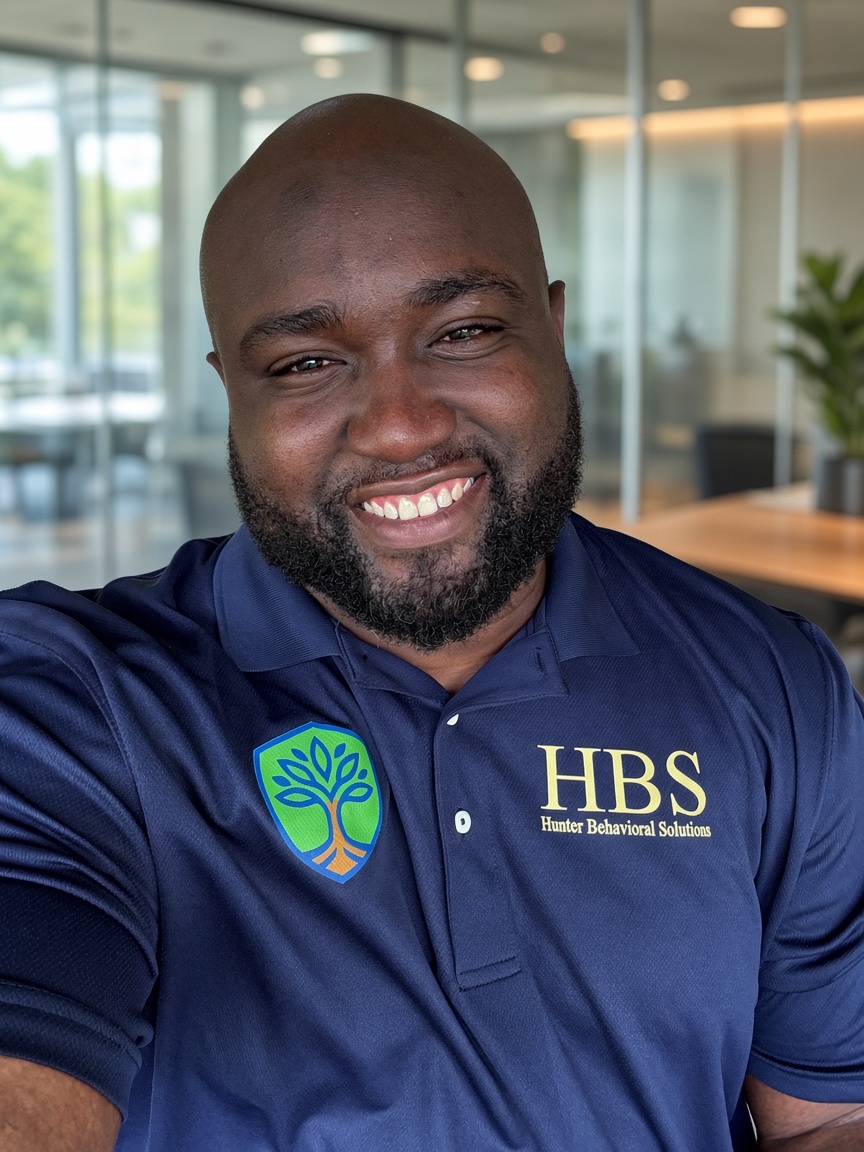
Founder + Principal Consultant
Joey Hunter founded HBS after more than 15 years across behavioral health and IDD settings.
That experience spans direct support, program operations, and leadership, giving HBS a practical view of what policies look like once they meet real shifts, staffing pressures, and people.
Free Readiness Snapshot
Use this brief reflection to notice where everyday operations feel dependable and where a closer look may be useful. It is a private starting baseline, not a benchmark, diagnosis, audit, or comparison with other organizations.
Your responses stay in this browser and are not sent to HBS. Use them to guide what you may want to discuss in a discovery call.
Frequently asked
IDD agencies, residential services, behavioral health providers, ABA organizations, and leaders of growing human-services programs.
A structured review of how your program actually operates. HBS identifies where reliability breaks down and turns the findings into a practical improvement roadmap.
HBS serves organizations across Connecticut and New York, with remote engagements available.
No. HBS provides operational consulting and non-clinical behavioral consultation, not diagnosis, treatment, ABA therapy, legal advice, or emergency services.
Ready when you are
Start with a conversation about what is working, where the friction is, and what stronger operational reliability could look like.
Book a Discovery Call